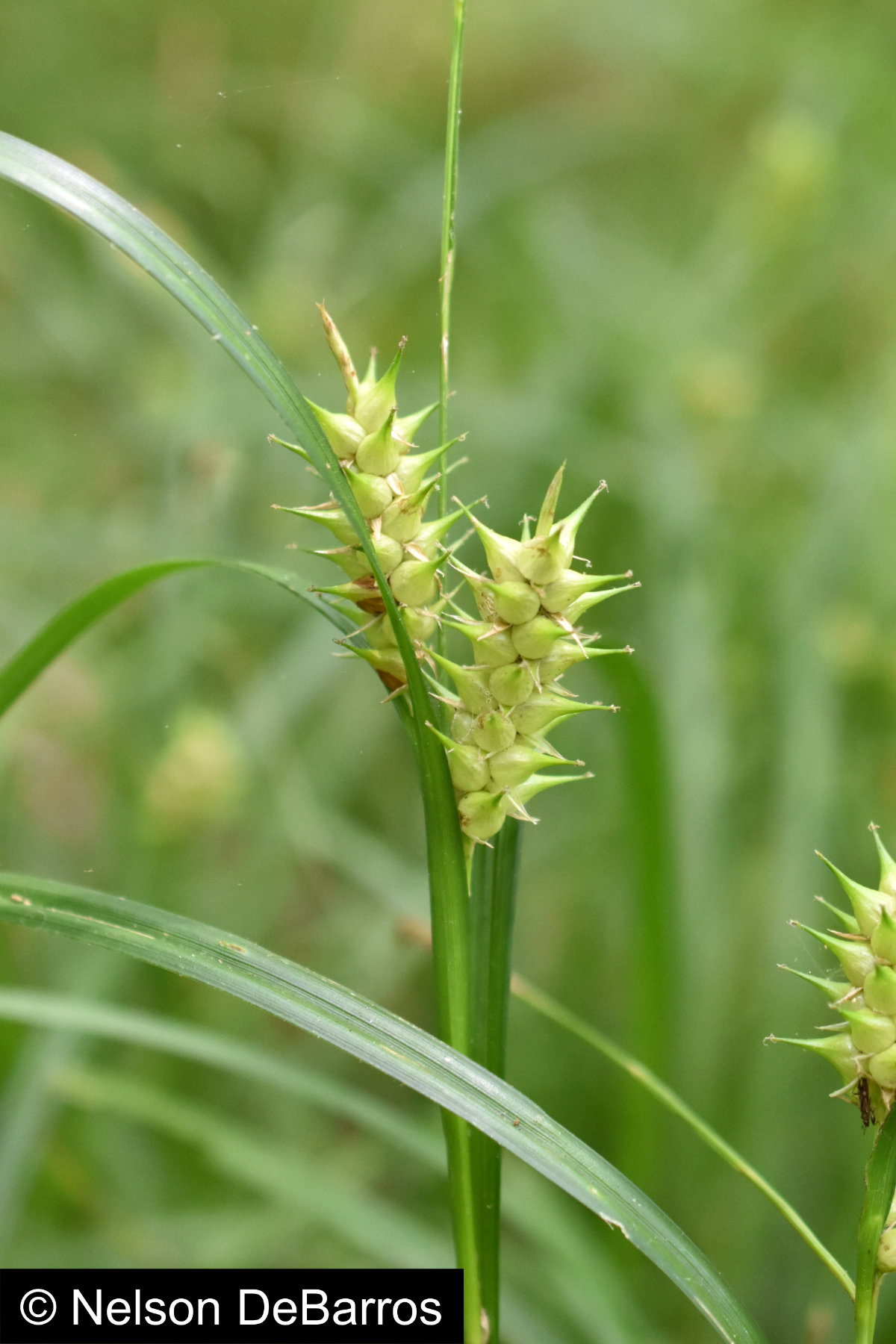
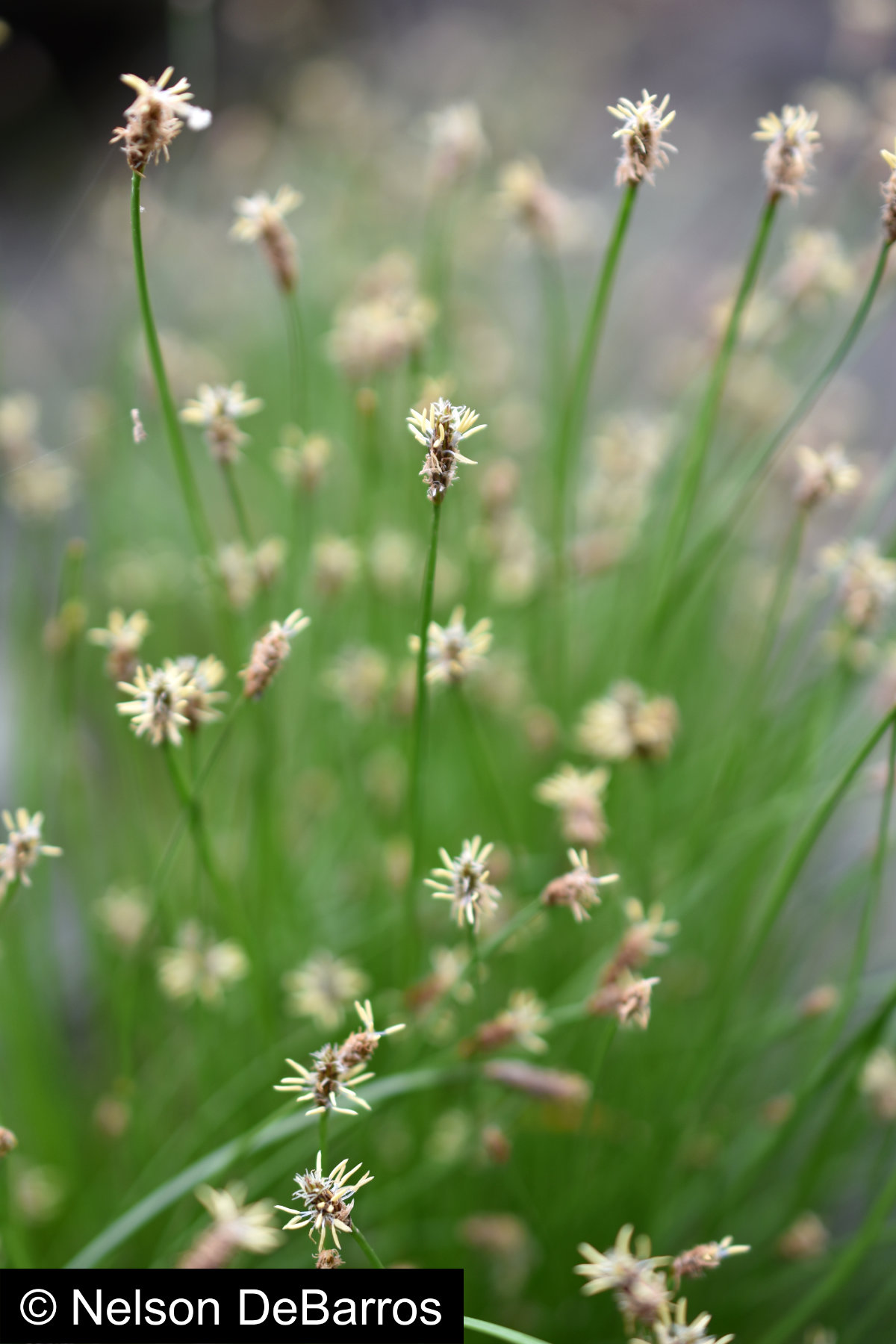
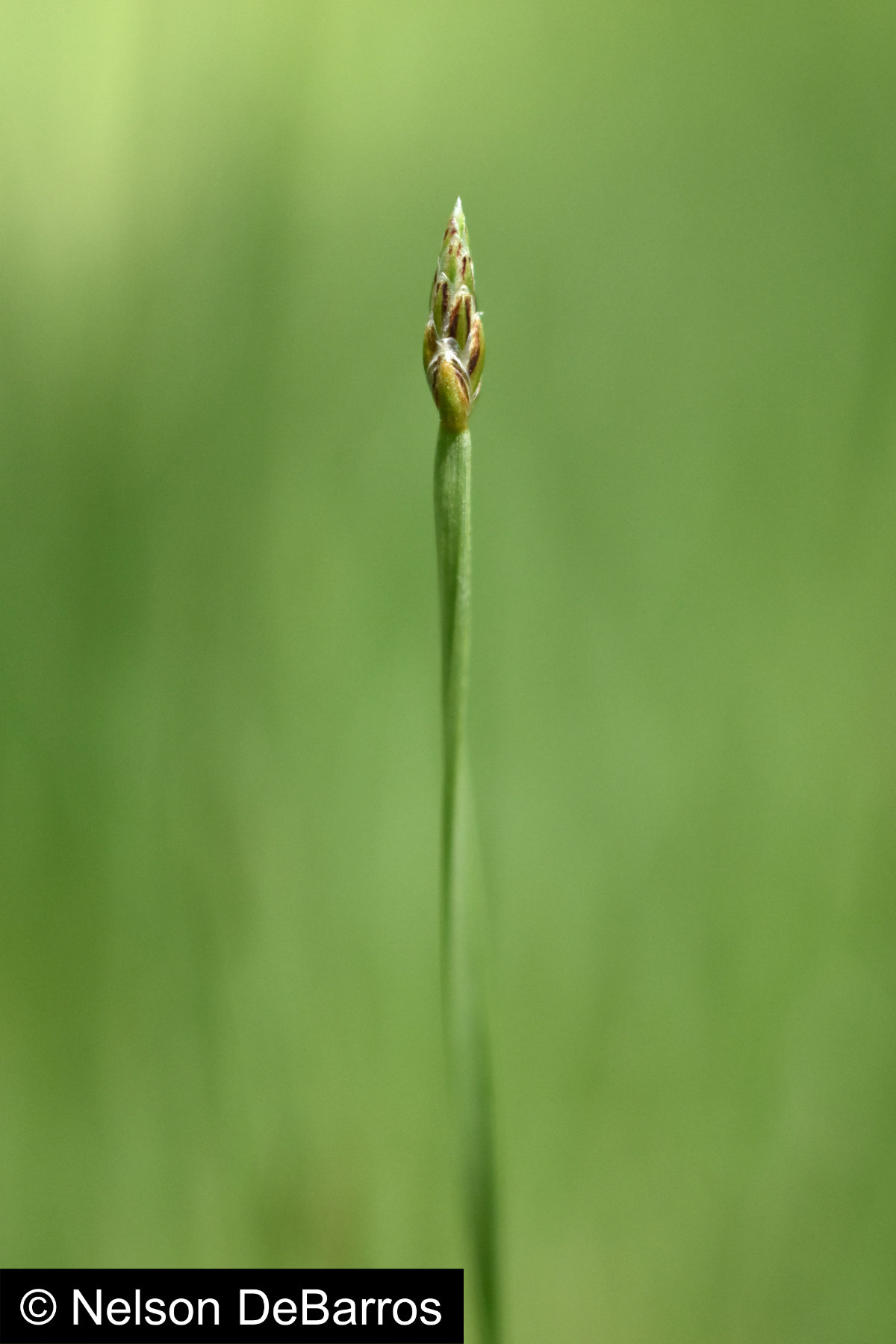
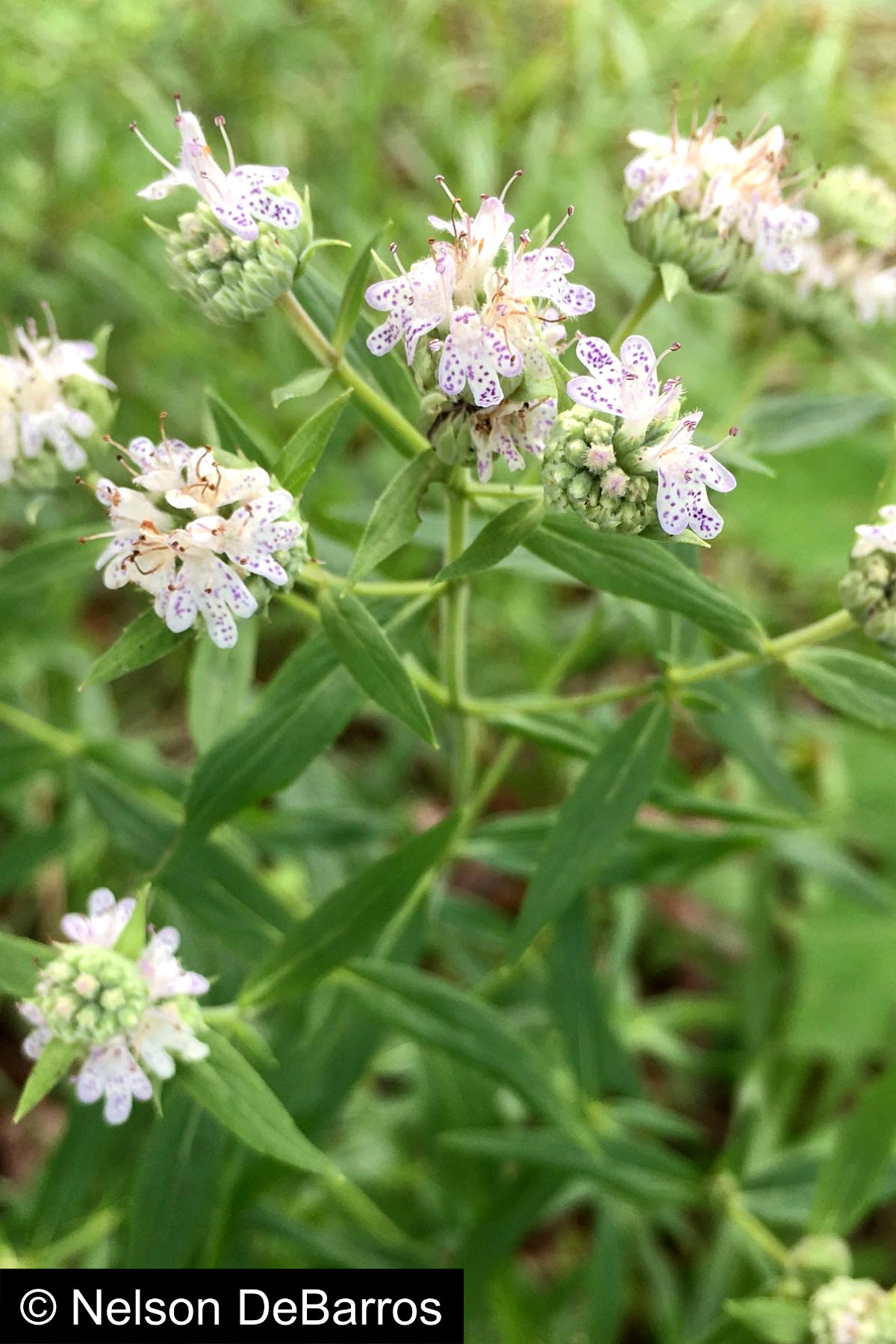
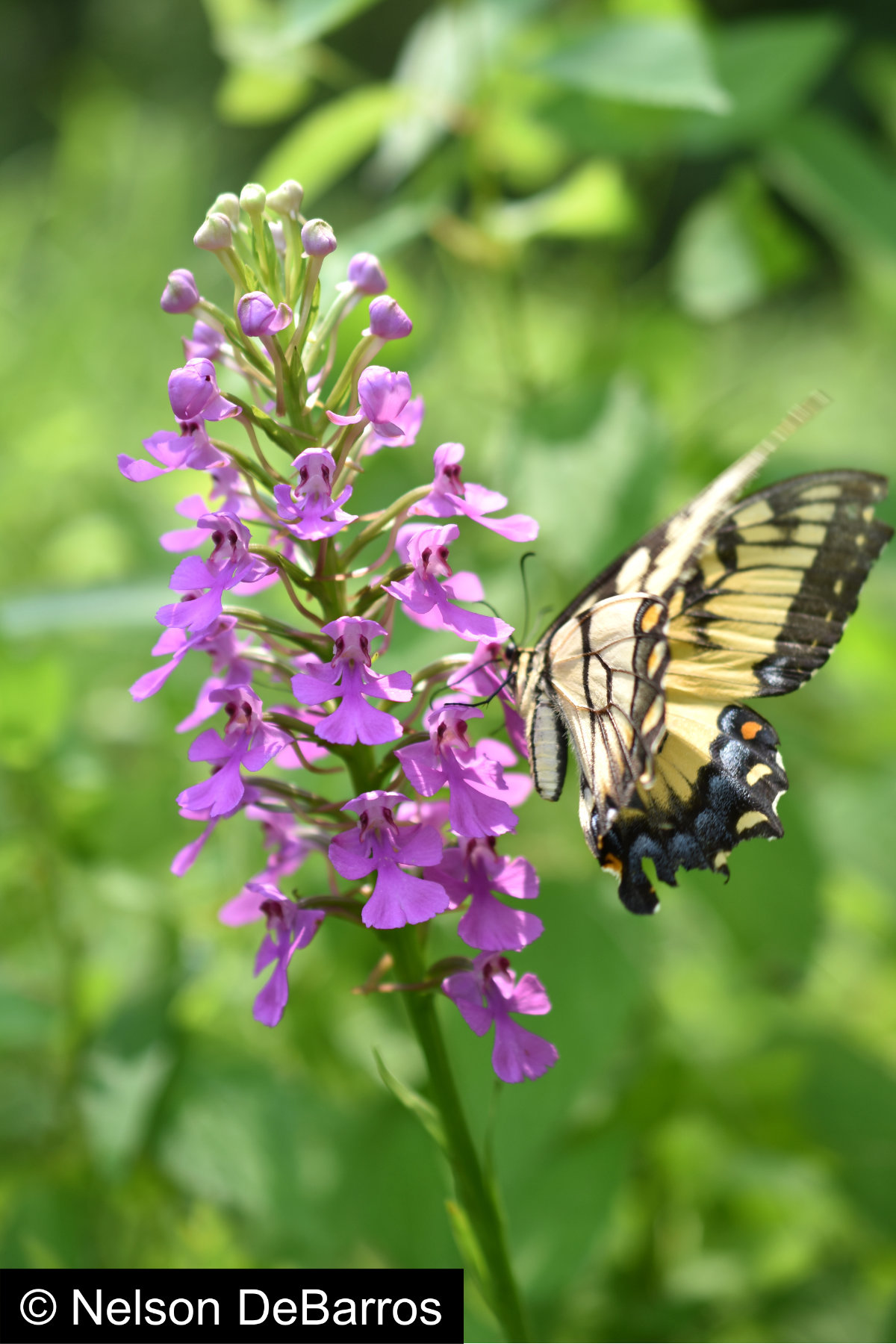
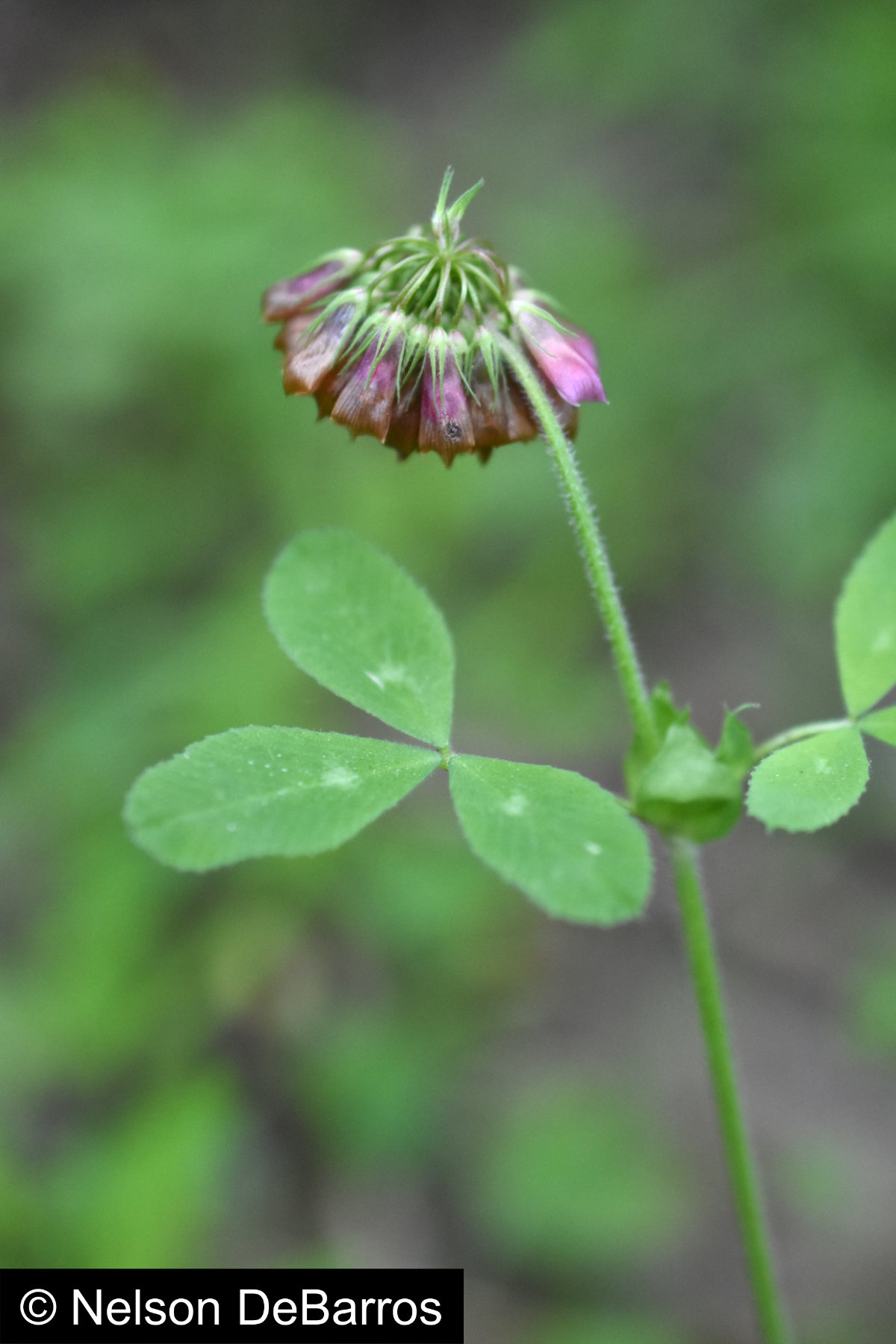
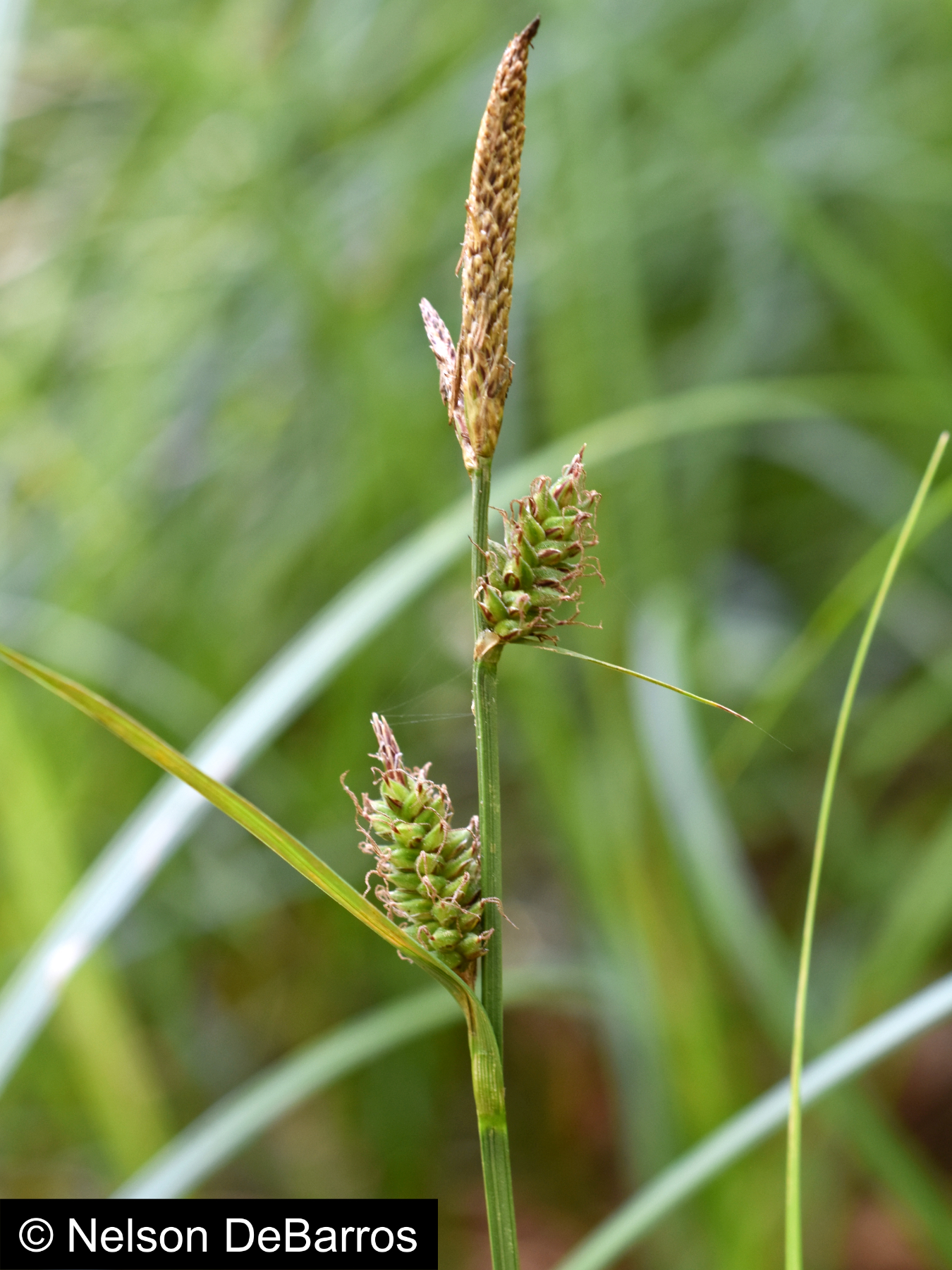
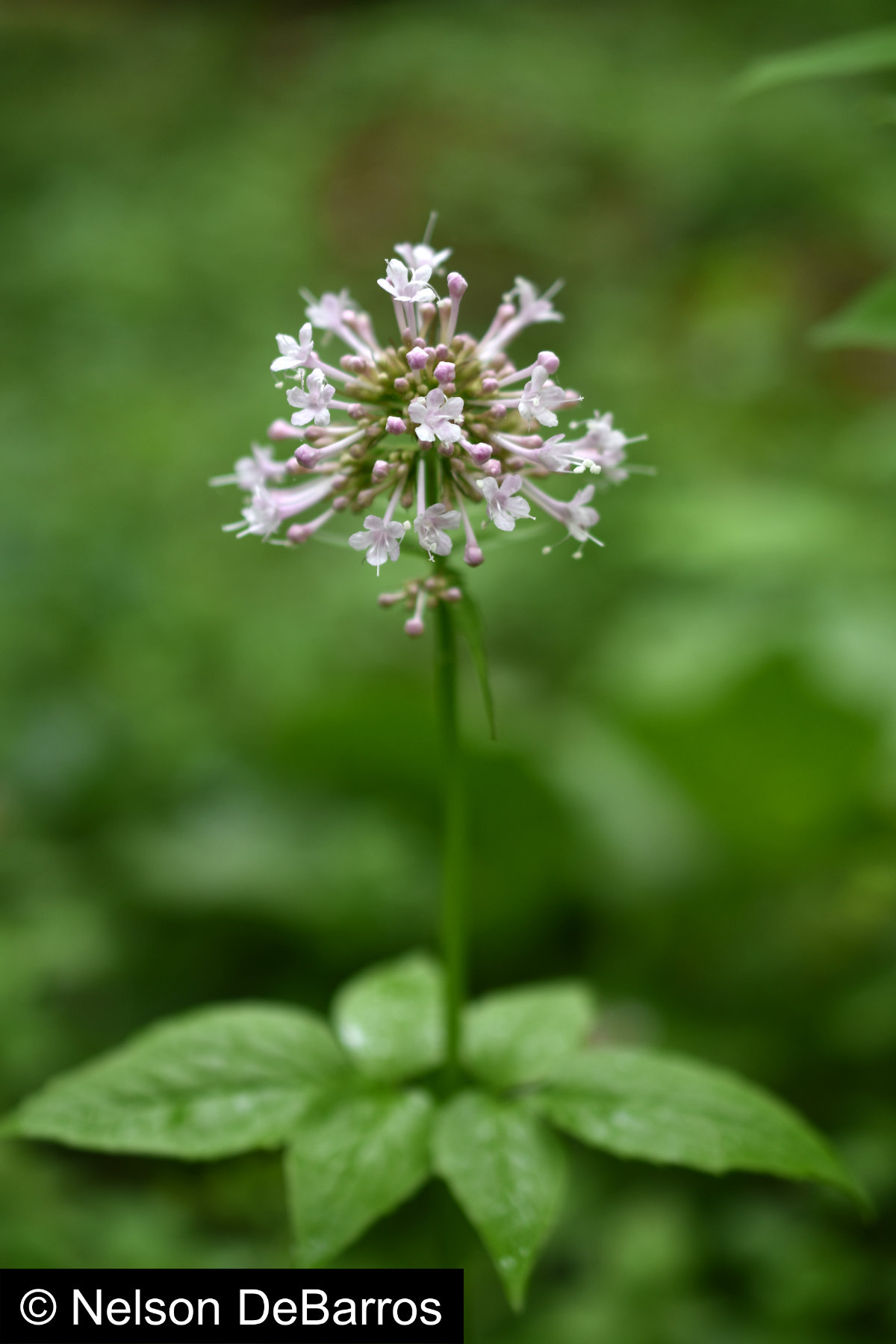
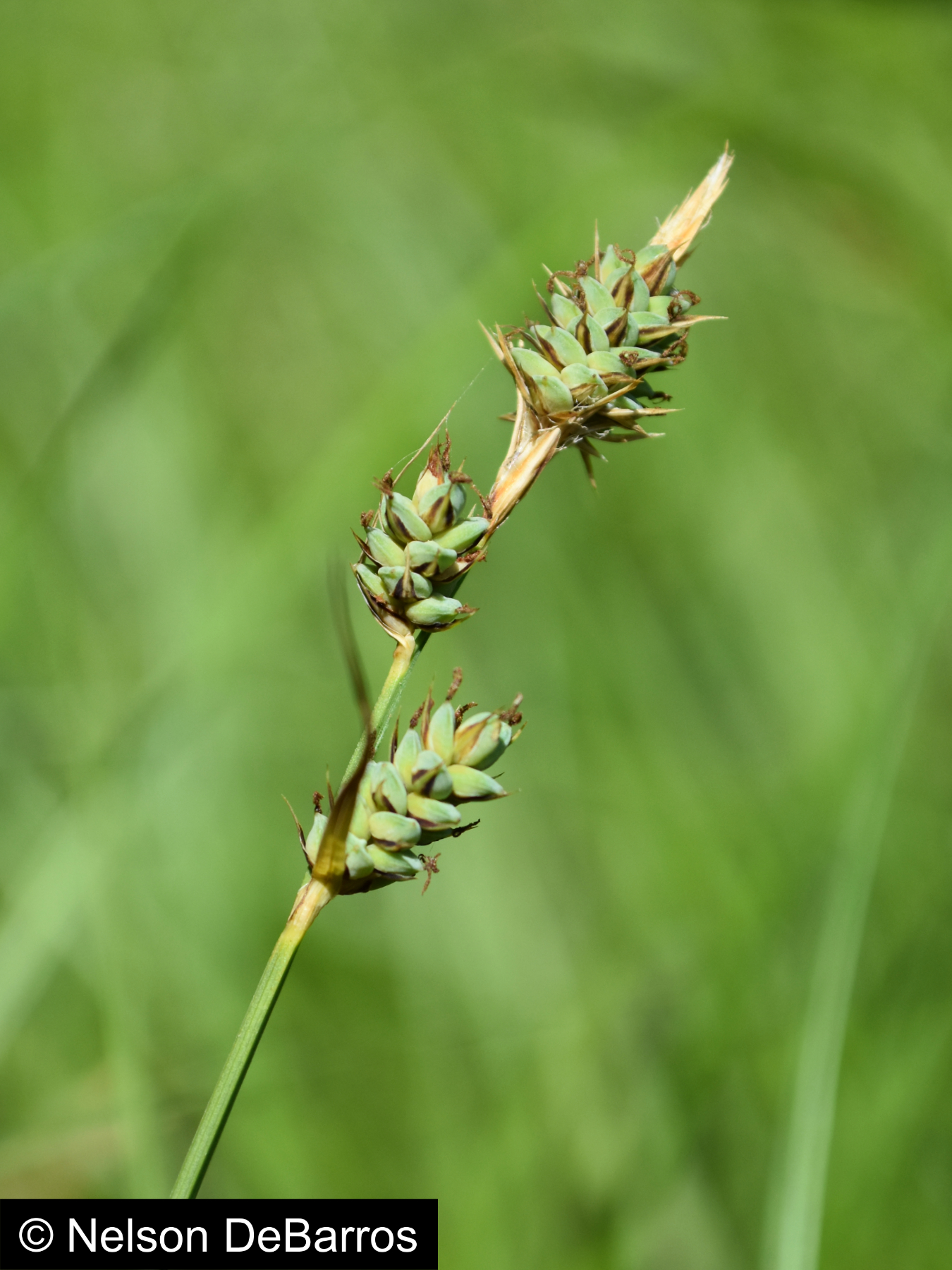
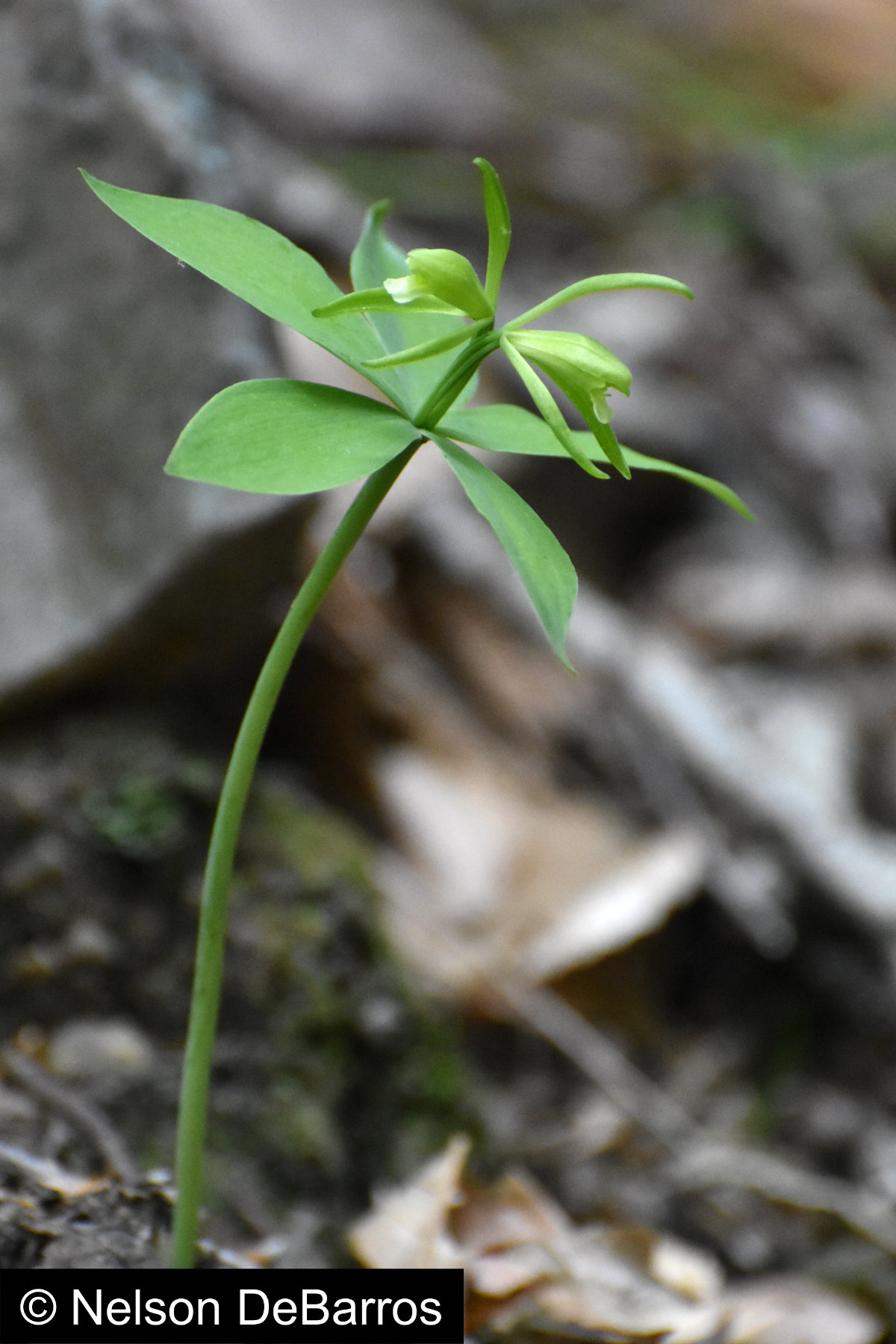
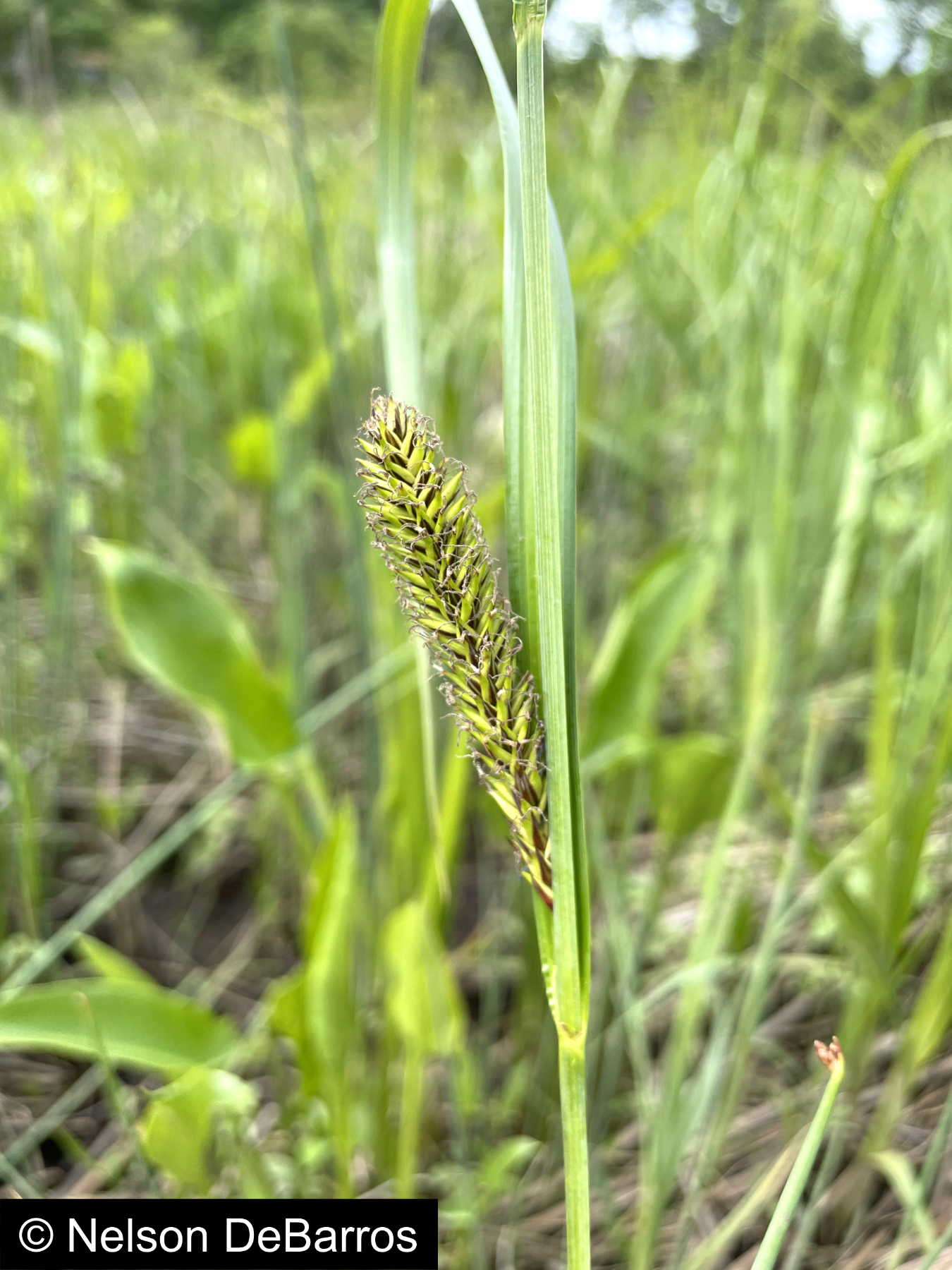
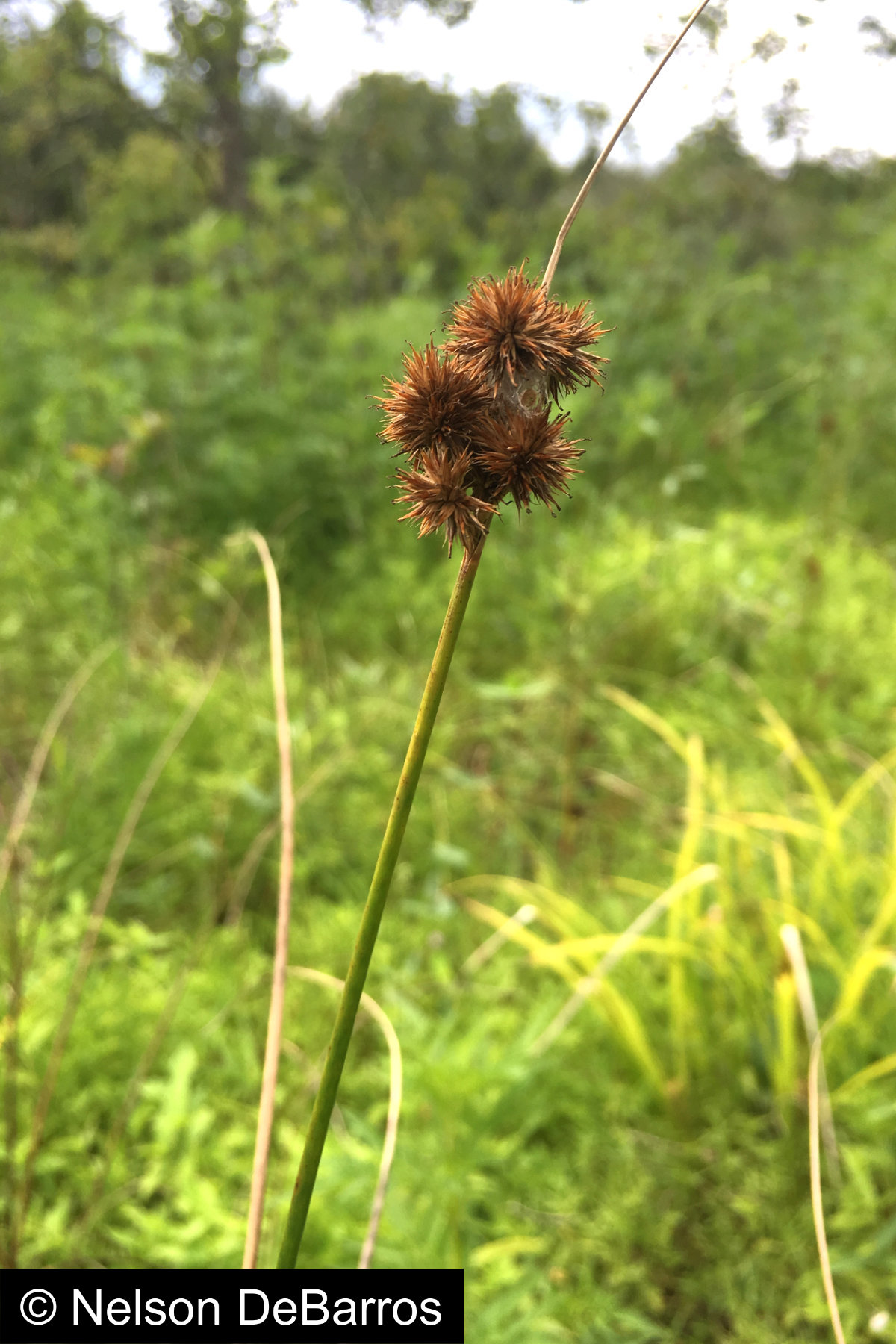
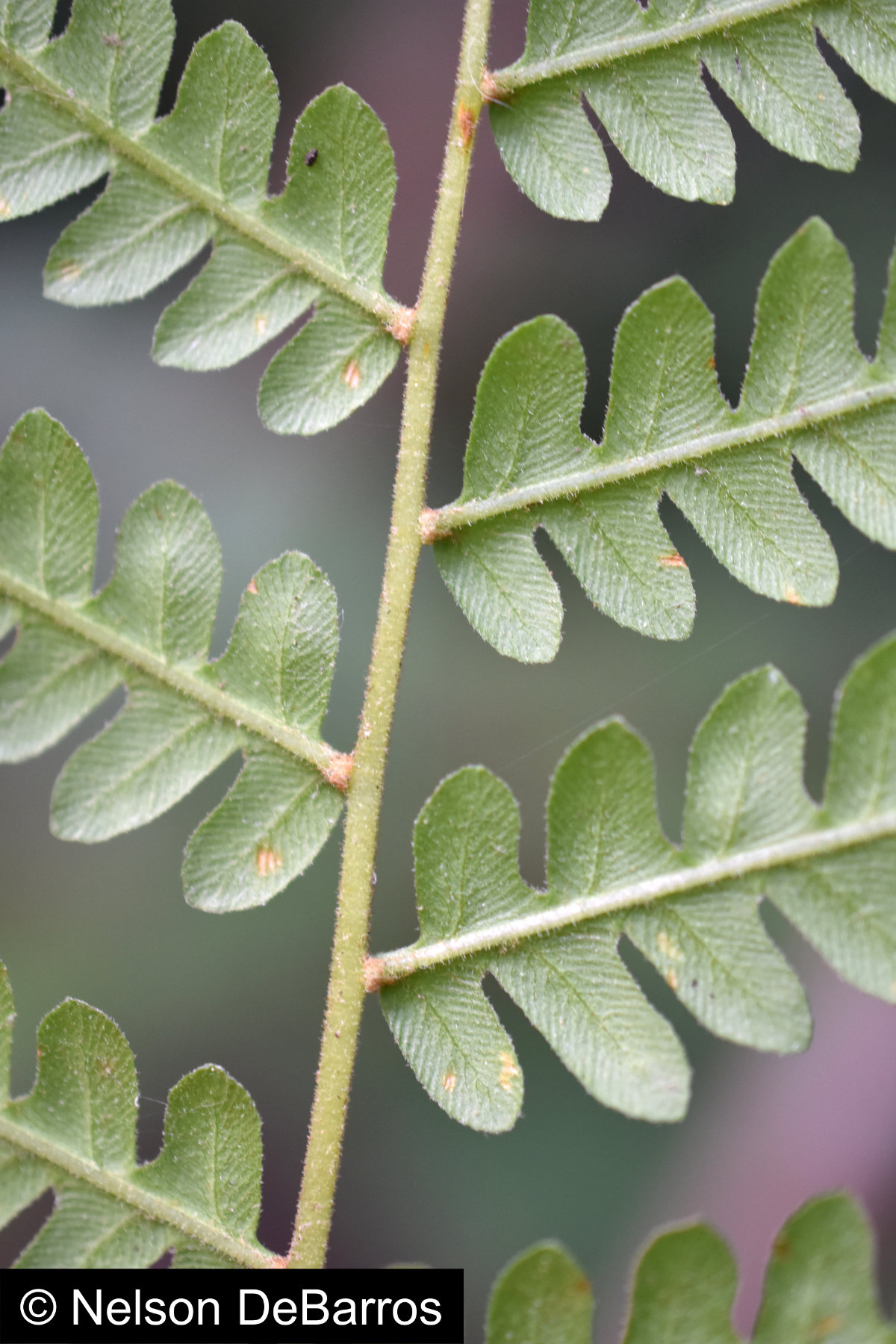
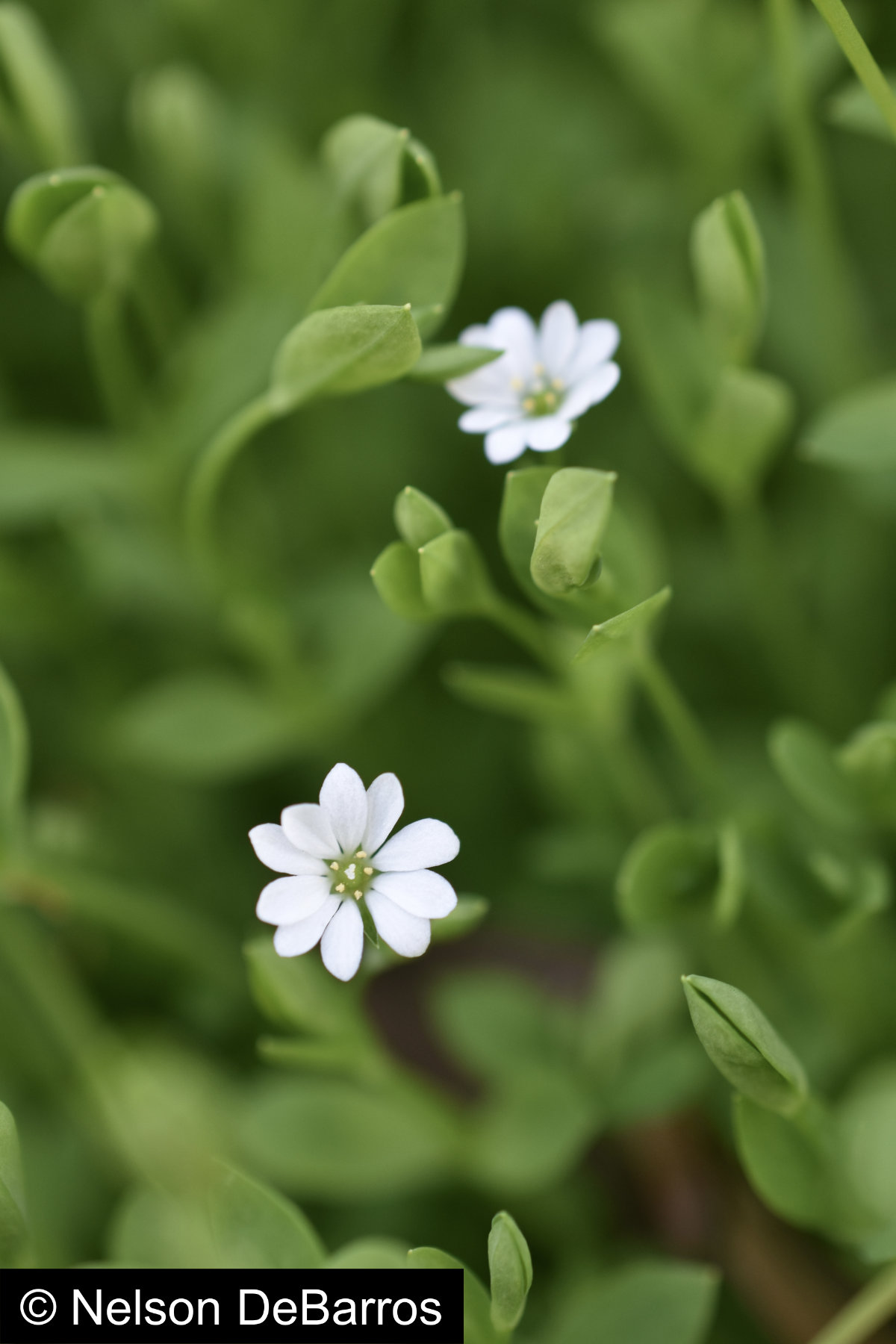
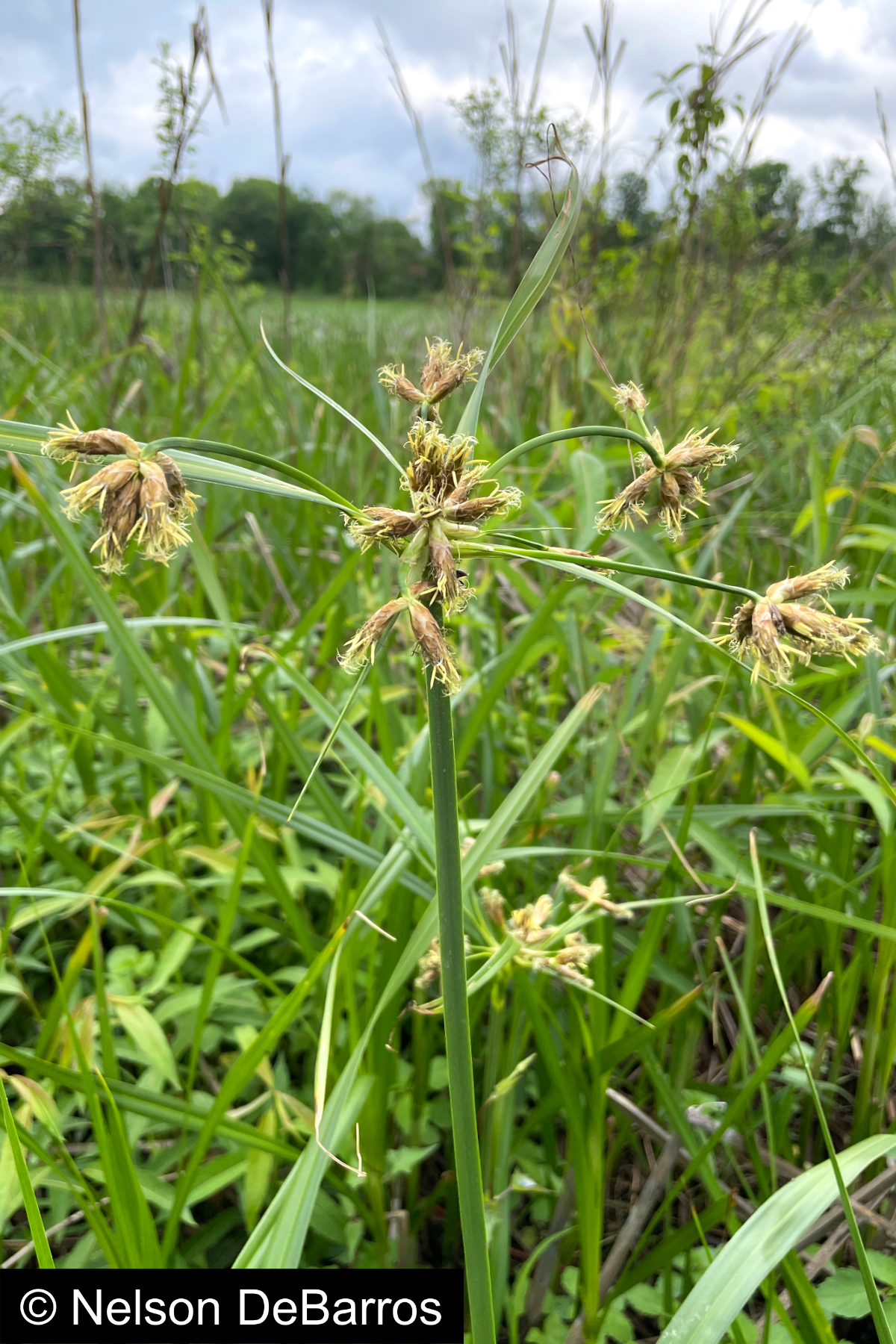
Fairfax County is home to more than 30 rare plant species, including those designated as Critically Imperiled (S1) or Imperiled (S2) by the Virginia Natural Heritage Program, as well as two species classified as Globally Imperiled (G2).
Plant species may be rare for a variety of reasons. Common factors include: (1) highly specialized habitat requirements, (2) dependence on symbiotic relationships – such as the essential association between terrestrial orchids and mycorrhizal fungi, (3) disruptions to natural landscape processes, including fire suppression or the loss of historic grazing pressure from species such as elk, (4) habitat loss and degradation, and (5) occurrence at the edge of a species’ geographic range.
Many of these rare plants persist in Fairfax County, despite extensive development, because of sustained land preservation efforts led by public agencies, nonprofit organizations, and conservation‑minded individuals. Protecting – and where possible, expanding – these open spaces is not merely beneficial, but essential for sustaining native species and safeguarding the structure and function of the natural communities in which they occur.
Equally important is the active stewardship of these preserved lands. Thoughtful, ongoing management is often necessary to reduce the impacts of deer browse, limit the spread of invasive species, and maintain the ecological processes that support native plant communities. Without such intervention, even protected landscapes can quickly lose the very qualities they were intended to conserve.
The future of Fairfax County’s rare flora will depend on a sustained and collective commitment – not only to protecting what remains, but to restoring degraded habitats, strengthening land conservation efforts, and prioritizing informed, science‑based stewardship across the landscape.